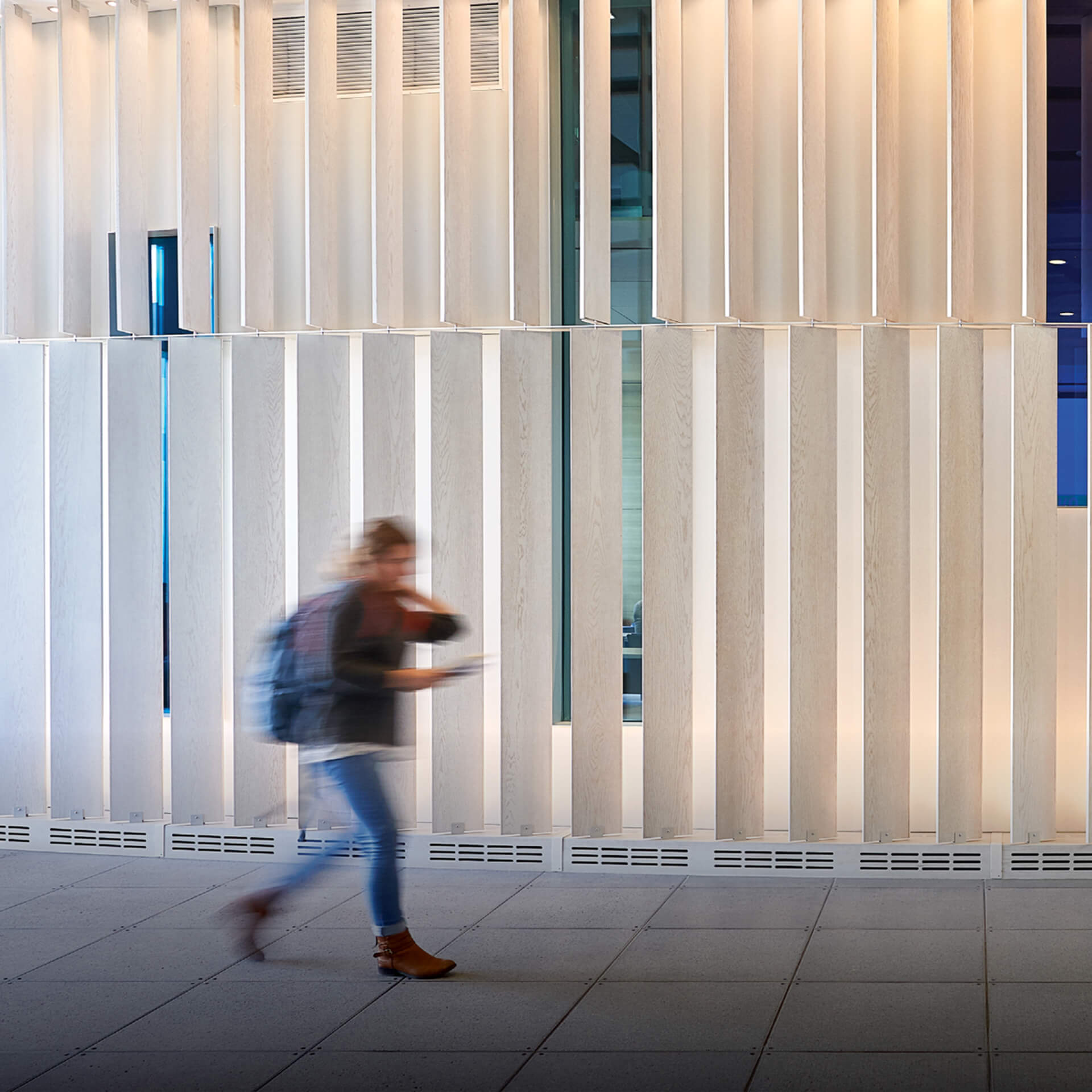
Bell Works
The building behind Severance.
A vision decades in the making.
Bell Labs, at its height in the 60s, 70s, and 80s, was home to 6,000+ employees and the setting for some of the nation's biggest technological breakthroughs, innovations that helped lay the foundation for modern computing and telecommunications. But similar to other underutilized research facilities, it has since gone largely dormant. Through adaptive reuse, the property—now known as Bell Works—was transformed into a vibrant “metroburb,” a mixed-use destination blending office, retail, dining, hospitality, and community. The revitalization saved the architectural and cultural legacy of the original campus while repositioning it as a regional destination for innovation, entrepreneurship, and everyday life. Fast forward to 2024, and that story took an unexpected turn.
A moment that changed the narrative.
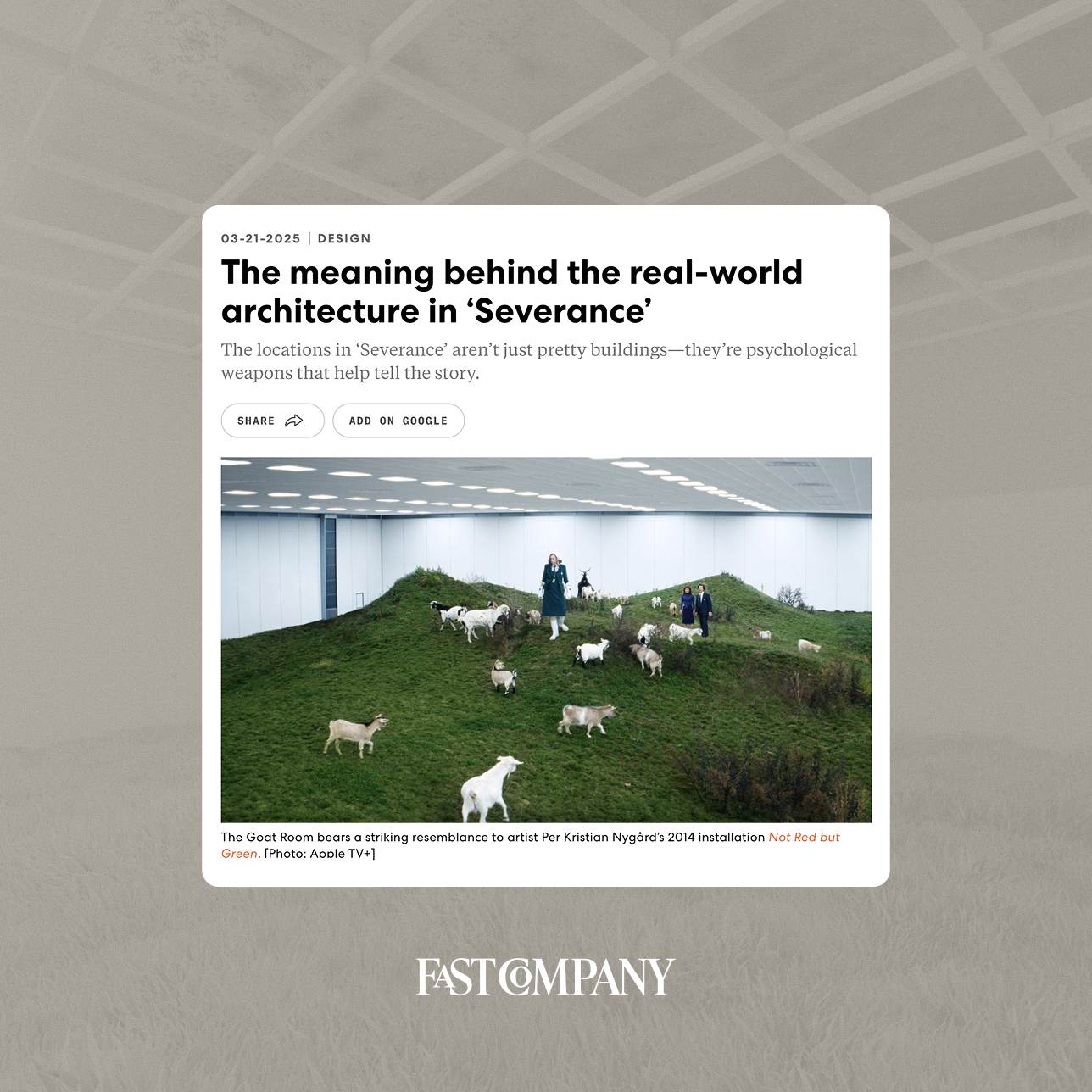
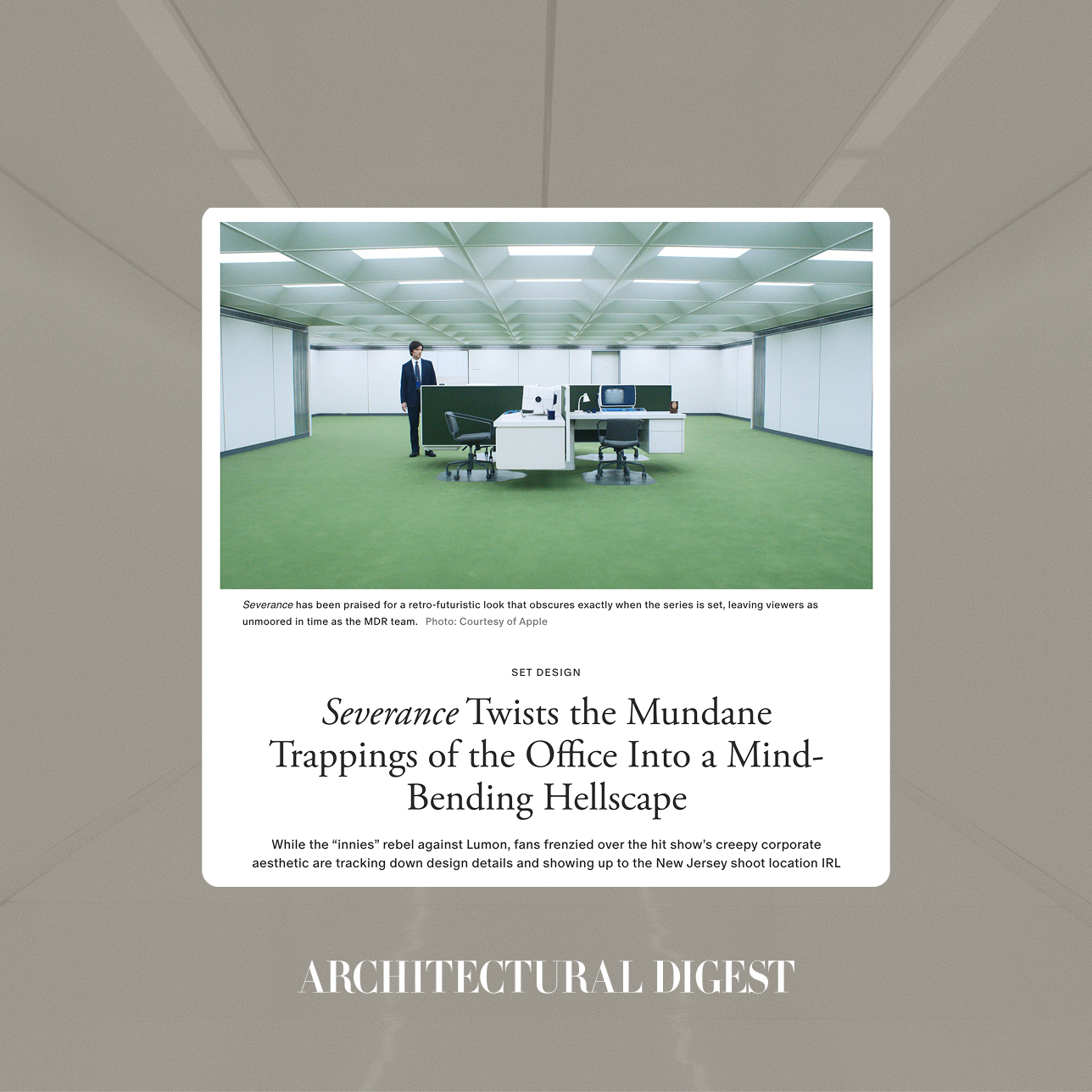
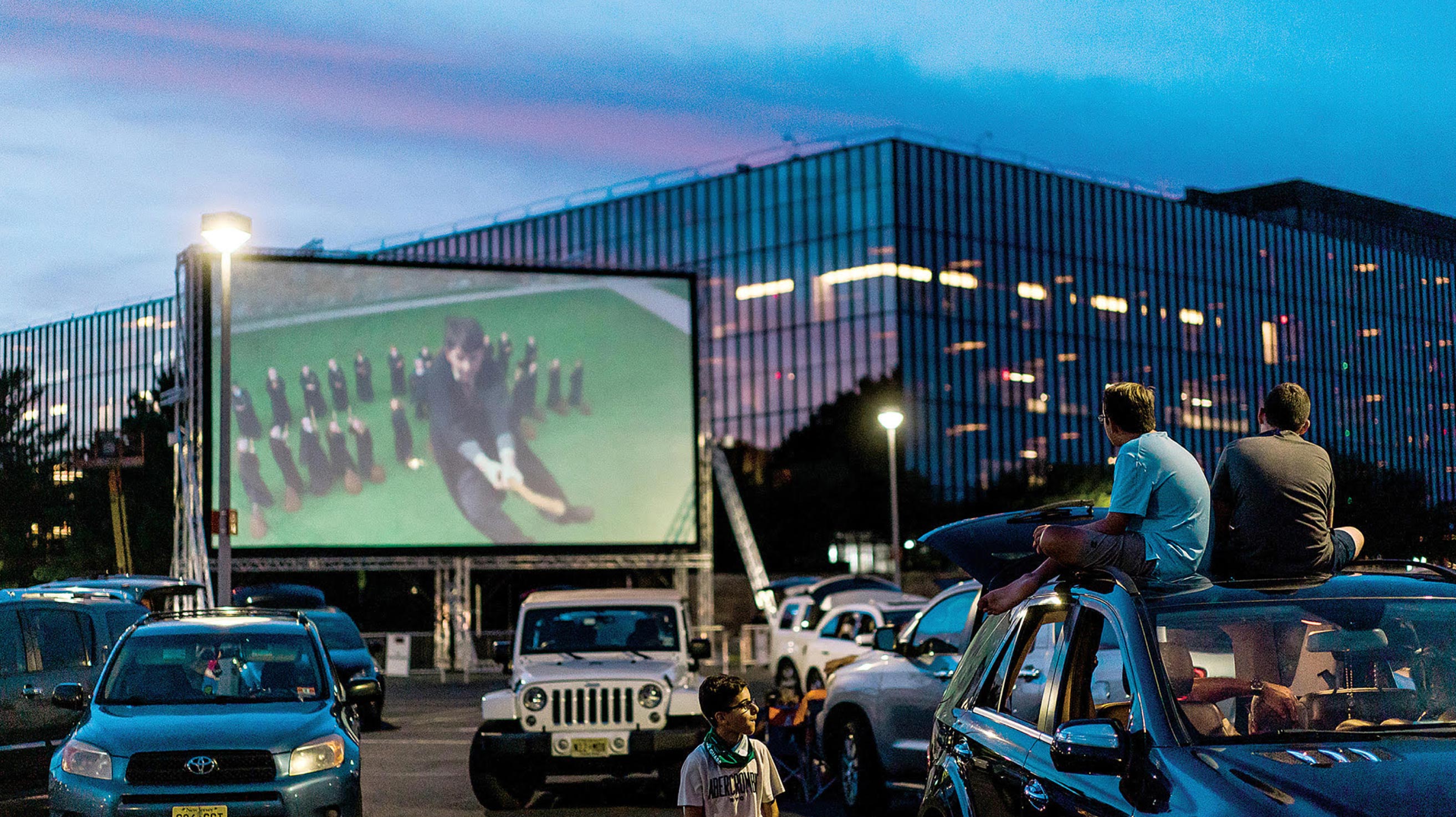
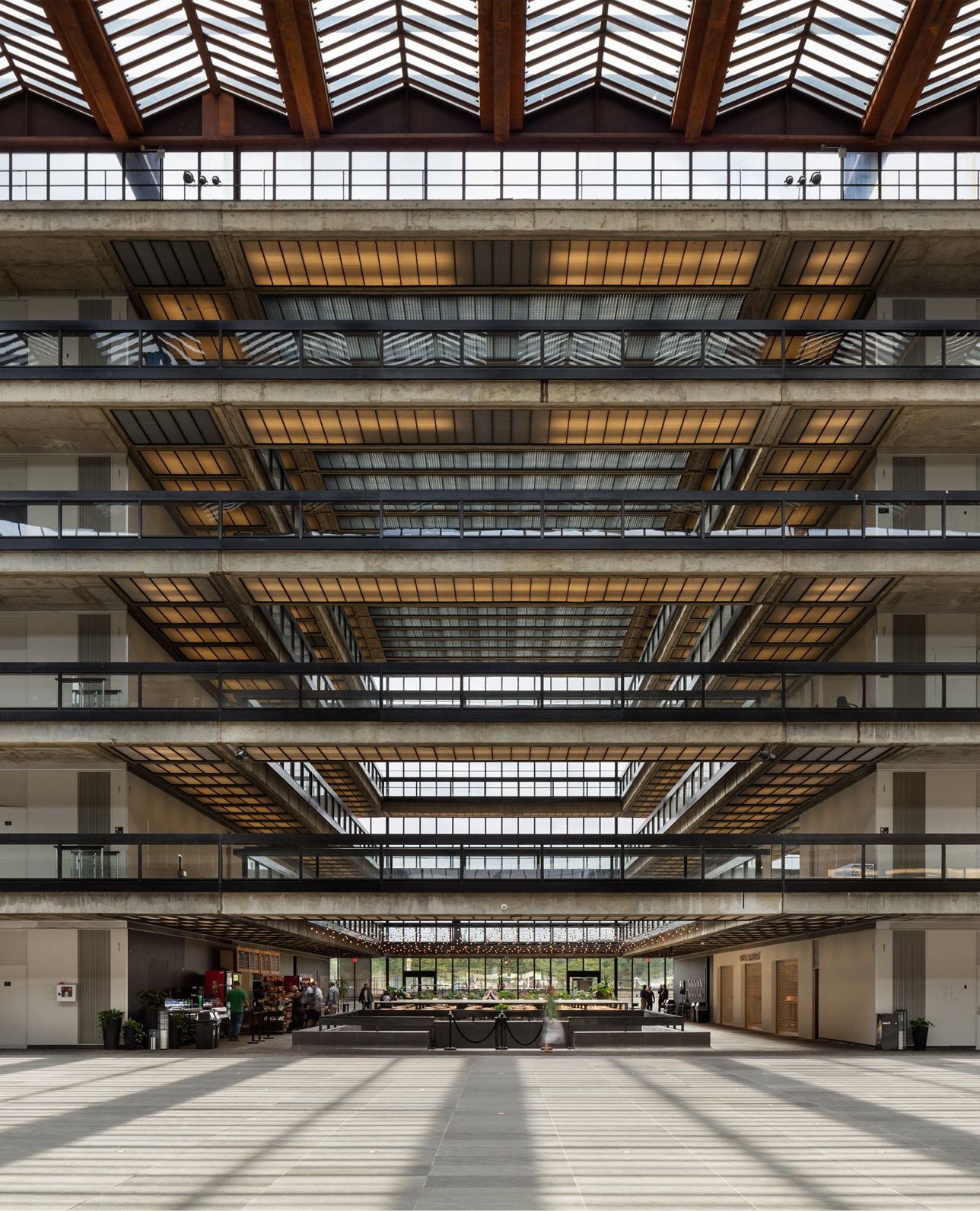
When the hit Apple TV show Severance selected Bell Works as the backdrop for its fictional Lumon Industries, the building was suddenly cast in a very different role. The striking modernist architecture with its vast atrium and repetitive corridors proved to be the perfect setting for the show’s controlled, dystopian aesthetic. But the reality couldn’t be more different. So how do you ensure a global audience doesn’t confuse fiction for reality? Our approach: harness that attention as a strategic opportunity. Through media outreach, storytelling, and thought leadership, Antenna Group began to reframe the narrative, highlighting the property’s evolution from a vacant icon into a thriving hub of innovation. Our integrated PR and communications campaign would go on to generate more than 200 earned placements.

Where fiction ends, possibility begins.
The global attention around Severance wasn’t a reputational risk to manage, it was a storytelling opportunity to own. Instead of distancing the property from its on-screen identity, we leaned into the contrast. The same architecture that signaled control and isolation on screen could demonstrate openness and possibility in real life. Communications showed a vibrant, mixed-use destination defined by community, innovation, and daily activity—the real-world opposite of Lumon.

Where a pitch for placemaking changes perception.
We positioned Bell Works as proof of what adaptive reuse can become—one of the country’s most compelling examples of placemaking in action. It started with a series of tailored story angles centered on a single, ownable idea: the real life building behind the dystopian, eerie Lumon Industries. We played that juxtaposition up to our advantage, highlighting the stark differences between Lumon and Bell Works, while also drawing on Bell Works’ incredible history as the birthplace of The Big Bang Theory, the modern day laser, the transistor, and more.
Phase 1—Communications Strategy
There was a considerable amount of buzz around the first season, and how the building in which Lumon Industries is housed is actually a real place—in New Jersey—of all places. Because so many people were curious about the real-life building behind the show, we knew it was the perfect time to capitalize. Antenna leveraged a forward-thinking approach for the season two premiere, building even more buzz heading into mid-January.
Phase 2—PR Pitching
Our pitches were very nimble, each one tailored to specific journalists,TV/radio segments, and columns. It wasn’t long before we had CNBC Make It, Forbes, Wall Street Journal, Architectural Digest, and more tier-one publications expressing interest in not just video-form content, but also written stories, timed to the premiere. Once the show premiered, the coverage began to roll out in a steady stream to ensure momentum was sustained throughout the entire season run since each episode was airing weekly.
Phase 3—Video Tours
Pitching video-first content for outlets like Forbes and CNBC was a deliberate move—meeting a visually driven show with equally visual storytelling, and bringing the space to life in the process. We targeted top-tier video journalists and segments that would have a lot of runway with this type of story. And with Ralph Zucker as a charismatic central voice, these stories ran on immersive narratives that connected design, vision, and cultural relevance to promote Bell Works and his metroburb model.
How the campaign keeps going.
As momentum grew, the narrative continued to expand—connecting Bell Works to larger conversations around adaptive reuse and the future of suburban real estate development. Media engagement, on-site experiences, and thought leadership were designed to bridge the building’s pop culture visibility to its economic and social impact. Others like The White Lotus and Succession followed suit, showing how special properties can be elements of the appeal in placemaking. Through Bell Works, we moved communications beyond traditional real estate messaging and toward culture-driven storytelling. And that’s how a building became something even bigger.
Credits